
Unwind and Relax: Your Ultimate Guide to Stress Relief
In today’s fast-paced world, stress has become an inevitable part of our lives. It creeps up on us from various sources such as work, relationships, or financial issues, often leaving us feeling overwhelmed and exhausted. However, it’s crucial to understand that chronic stress can have detrimental effects on both physical and mental health. In this blog post, we will delve into effective strategies for stress relief, helping you regain balance and peace of mind.
Stress Relief 101: Understanding the Basics
Before diving into the methods, let’s first understand what stress is and how it affects us. Stress is a natural response to challenging situations and can be triggered by various factors like work pressure, financial problems, personal relationships, or health issues. When we experience stress, our body goes into “fight-or-flight” mode, releasing stress hormones such as adrenaline and cortisol. While these hormones help us respond quickly in emergency situations, chronic stress can lead to numerous health problems including headaches, high blood pressure, heart disease, depression, and anxiety.
The Power of Relaxation: Techniques for Stress Relief
1.
Mindfulness and Meditation:
These practices help you focus on the present moment, reducing worry about the past or future. By training your mind to stay in the present, you can gain a new perspective on stressful situations and learn to let go of unnecessary tension.
2.
Deep Breathing:
Deep, slow breathing helps activate the body’s relaxation response, lowering heart rate and blood pressure while reducing stress levels. Try techniques like 4-7-8 breathing (inhale for four seconds, hold for seven, exhale for eight) to start experiencing its calming effects.
3.
Exercise:
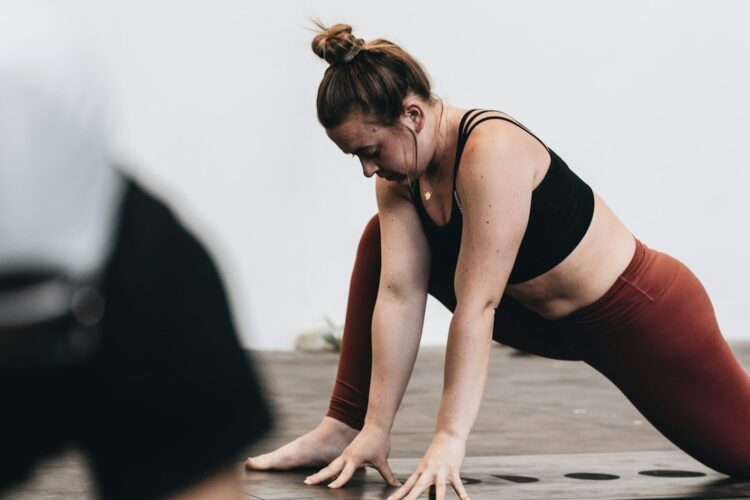
Regular physical activity is a powerful stress reliever. Whether it’s going for a jog, practicing yoga, or hitting the gym, any form of exercise can help lower stress levels by releasing endorphins—the body’s natural mood elevators.
4.
Aromatherapy:
Essential oils like lavender, chamomile, and ylang-ylang have been found to promote relaxation and reduce anxiety. Add a few drops to a diffuser or bath for an instant stress-relief boost.
5.
Progressive Muscle Relaxation:
This technique involves systematically tensing and then releasing each muscle group in your body. It helps you become more aware of physical sensations related to stress and promotes overall relaxation.
6.
Journaling:
Writing about your thoughts and feelings can help release emotional tension and provide a sense of clarity. By putting pen to paper, you can gain insight into the sources of your stress and develop strategies for coping with them.
Stress-Free Lifestyle: Adopting Healthy Habits for Long-Term Relief
While the techniques mentioned above can help alleviate immediate stress, adopting a healthy lifestyle is essential for long-term relief. This includes maintaining a balanced diet rich in fruits, vegetables, and lean proteins; staying hydrated; getting adequate sleep; practicing good time management skills; and cultivating positive relationships with family, friends, and coworkers.
By incorporating these stress-relief strategies into your daily routine, you can improve not only your physical health but also your mental wellbeing. Remember that taking care of yourself is essential for leading a happy, productive life, so don’t hesitate to prioritize self-care and relaxation in the midst of today’s chaotic world.
In conclusion, stress relief is a crucial aspect of maintaining optimal health and happiness. By understanding the sources of stress and learning effective techniques for relaxation, you can effectively manage your stress levels and lead a more balanced, fulfilling life. So take a deep breath, embrace self-care, and remember that it’s okay to prioritize your wellbeing above all else.

0 Comments