
Unwind and Relax: Top 10 Stress Relief Techniques for Modern Life
In today’s fast-paced world, stress has become an unwanted companion for many. It creeps into our daily lives, affecting our mental health, physical wellbeing, and overall quality of life. However, understanding the importance of stress relief can help us combat its adverse effects and lead a more balanced existence. Here are ten effective stress relief techniques that can help you find tranquility in the midst of chaos.
1. Deep Breathing Exercises:
Deep breathing is one of the simplest yet most powerful ways to reduce stress levels quickly. Focus on taking slow, deep breaths while counting to four for each inhale and exhale. This technique helps lower heart rate and blood pressure, promoting relaxation.
2. Progressive Muscle Relaxation (PMR):
PMR involves tensing and then releasing specific muscle groups throughout the body. By focusing on the contrast between tension and release, you can train your mind to let go of stress more easily.
3. Mindfulness Meditation:
Mindfulness meditation encourages focusing on the present moment without judgment or distraction. Practicing this form of meditation helps reduce anxiety and promote a sense of calm.
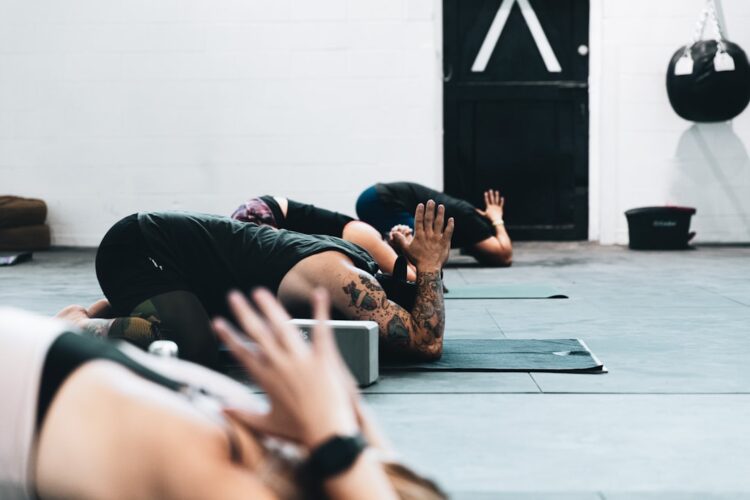
4. Yoga and Tai Chi:
Both yoga and tai chi combine physical movement, breath control, and mindfulness to provide a holistic approach to stress relief. Regular practice of these ancient disciplines can improve flexibility, strength, and mental clarity.
5. Aromatherapy:
Essential oils such as lavender, chamomile, and ylang-ylang have been shown to reduce stress levels and promote relaxation. Using a diffuser or applying them topically can help create a calming environment at home or work.
6. Guided Imagery:
Guided imagery involves visualizing peaceful scenes or situations in your mind to induce a state of calmness and tranquility. This technique is particularly effective when used in conjunction with deep breathing exercises.
7. Exercise Regularly:
Physical activity releases endorphins, the body’s natural mood elevators, helping combat stress and improve overall wellbeing. Aim for at least 30 minutes of moderate exercise per day to reap these benefits.
8. Balanced Diet:
Consuming a diet rich in fruits, vegetables, lean proteins, and whole grains can help maintain optimal physical health, which in turn supports mental wellbeing. Avoid excessive caffeine and sugary snacks that can exacerbate stress levels.
9. Journaling:
Writing down thoughts and feelings can help process emotions more effectively, reducing their impact on stress levels. Set aside time each day to write about your experiences and emotions to promote self-awareness and stress relief.
10. Connect with Nature:
Spending time in nature has been proven to have a profoundly calming effect on the mind. Whether it’s a walk in the park, hiking through forests, or lounging at the beach, make an effort to connect with nature regularly to reap its stress-reducing benefits.
Incorporating these stress relief techniques into your daily routine can help you navigate modern life more smoothly, promoting mental and physical health while fostering a greater sense of wellbeing. Remember that it’s essential to prioritize self-care and make time for relaxation amidst the chaos – after all, a calm mind is a powerful tool in today’s busy world.

0 Comments