
“`
Unwinding and Relaxing: Your Comprehensive Guide to Stress Relief Techniques
In today’s fast-paced world, stress has become an inevitable part of life. From work pressures to personal issues, the burden can often feel overwhelming. However, it’s crucial to remember that our mental health is just as important as our physical health. This blog post aims to provide you with a comprehensive guide on various stress relief techniques to help you unwind and relax.
Stress Relief Techniques
Mindfulness and Meditation:
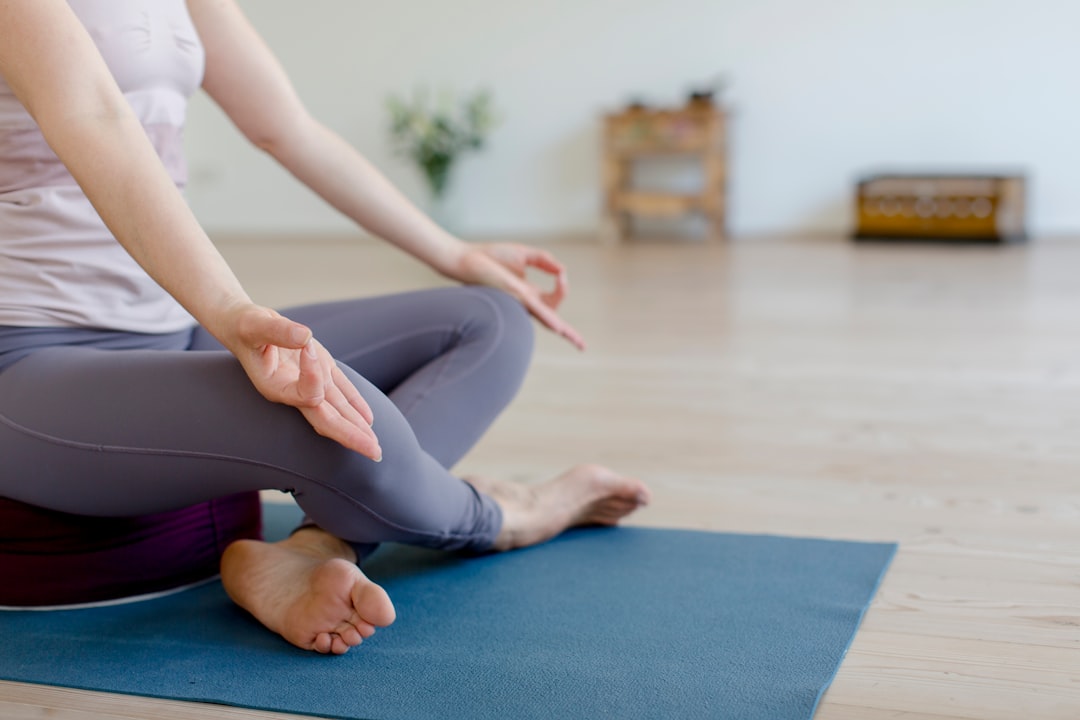
These practices have gained significant popularity due to their effectiveness in reducing stress levels. Mindfulness involves focusing on the present moment without judgment, while meditation often incorporates mindfulness alongside controlled breathing exercises. Headspace, Calm, and Insight Timer can guide you through these practices.
Yoga:
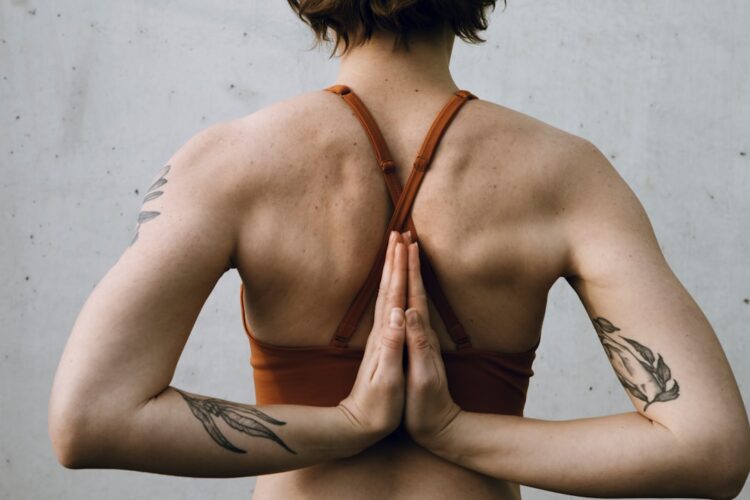
A combination of physical postures, controlled breathing, and meditation, yoga is an excellent stress-relieving tool. It helps to reduce cortisol levels (a primary stress hormone) while promoting a sense of calm and wellbeing. Beginners can start with simple poses like Mountain Pose, Child’s Pose, and Downward-Facing Dog.
Exercise:
Regular physical activity is known to boost your mood and reduce feelings of anxiety and stress. Any form of exercise, from walking and running to dancing and swimming, can be beneficial. Aim for at least 30 minutes of moderate exercise per day, five days a week.
Music Therapy:
Listening to soothing music can help lower your heart rate, ease tension, and improve mood. Classical, ambient, or nature sounds are often recommended for stress relief. Some studies even suggest that singing can have therapeutic effects due to the deep breathing involved.
Aromatherapy:
Essential oils like lavender, chamomile, and ylang-ylang are known for their calming properties. These oils can be diffused, added to bath water, or used in massage oils to help promote relaxation.
Journaling:
Writing down your thoughts and feelings can provide a sense of release and clarity. Journaling can help you identify sources of stress, process emotions, and find solutions to problems.
Social Support:
Connecting with friends, family, or support groups can provide emotional relief during stressful times. Sharing your feelings with others can validate your experiences and offer advice or encouragement.
Balanced Diet and Hydration:
A healthy diet rich in fruits, vegetables, lean proteins, and whole grains can help maintain overall wellbeing, including stress levels. Staying hydrated is also essential, as dehydration can exacerbate feelings of anxiety and tension.
Professional Help:
If stress becomes unmanageable, seeking help from a mental health professional may be necessary. Therapists, counselors, and psychiatrists are trained to provide strategies and treatment plans tailored to your specific needs.
In Conclusion:
Stress relief techniques are diverse and cater to various preferences and lifestyles. Finding what works best for you is essential in maintaining a balanced mind and body. Remember, it’s okay to ask for help when needed, and practicing self-care should never be overlooked. Take some time each day to focus on your wellbeing, and soon enough, you’ll find yourself living a more relaxed and stress-free life.


0 Comments