
Here is the formatted HTML:
Unwind and Relax: Top Stress-Relief Techniques to Boost Your Wellbeing
In today’s fast-paced world, stress has become an inevitable part of our lives. It can take a toll on our mental and physical health, affecting our productivity and overall quality of life. However, understanding the importance of stress relief is the first step towards a healthier, happier you. In this blog post, we’ll delve into some effective stress-relief techniques that can help you manage stress and improve your wellbeing.
-
1. Deep Breathing:
One of the simplest and most effective methods for stress relief is deep breathing. By focusing on deep, slow breaths, you can activate the body’s relaxation response, reducing stress levels and promoting a sense of calm.
-
2. Progressive Muscle Relaxation:
This technique involves tensing and then releasing each muscle group in your body to help reduce tension and stress. Start by tightening and holding each muscle for about 5 seconds before releasing it. Work your way through your entire body, from your toes to your head.
-
3. Meditation:
Meditation is a powerful tool for managing stress. It helps you focus on the present moment, reducing anxiety and promoting feelings of peace and tranquility. There are many forms of meditation, so find one that resonates with you, whether it’s mindfulness meditation, loving-kindness meditation, or guided visualization.
-
4. Exercise:
Regular physical activity is not only good for your physical health but also for your mental wellbeing. Exercise helps reduce stress by releasing endorphins, the body’s natural mood elevators. Whether you prefer running, yoga, swimming, or weightlifting, find a form of exercise that you enjoy and make it part of your routine.
-
5. Mindfulness:
Being mindful means paying attention to the present moment without judgment. It can help reduce stress by helping you focus on what’s happening right now instead of dwelling on past regrets or future worries. Practice mindfulness through activities like cooking, gardening, or even taking a mindful walk in nature.
-
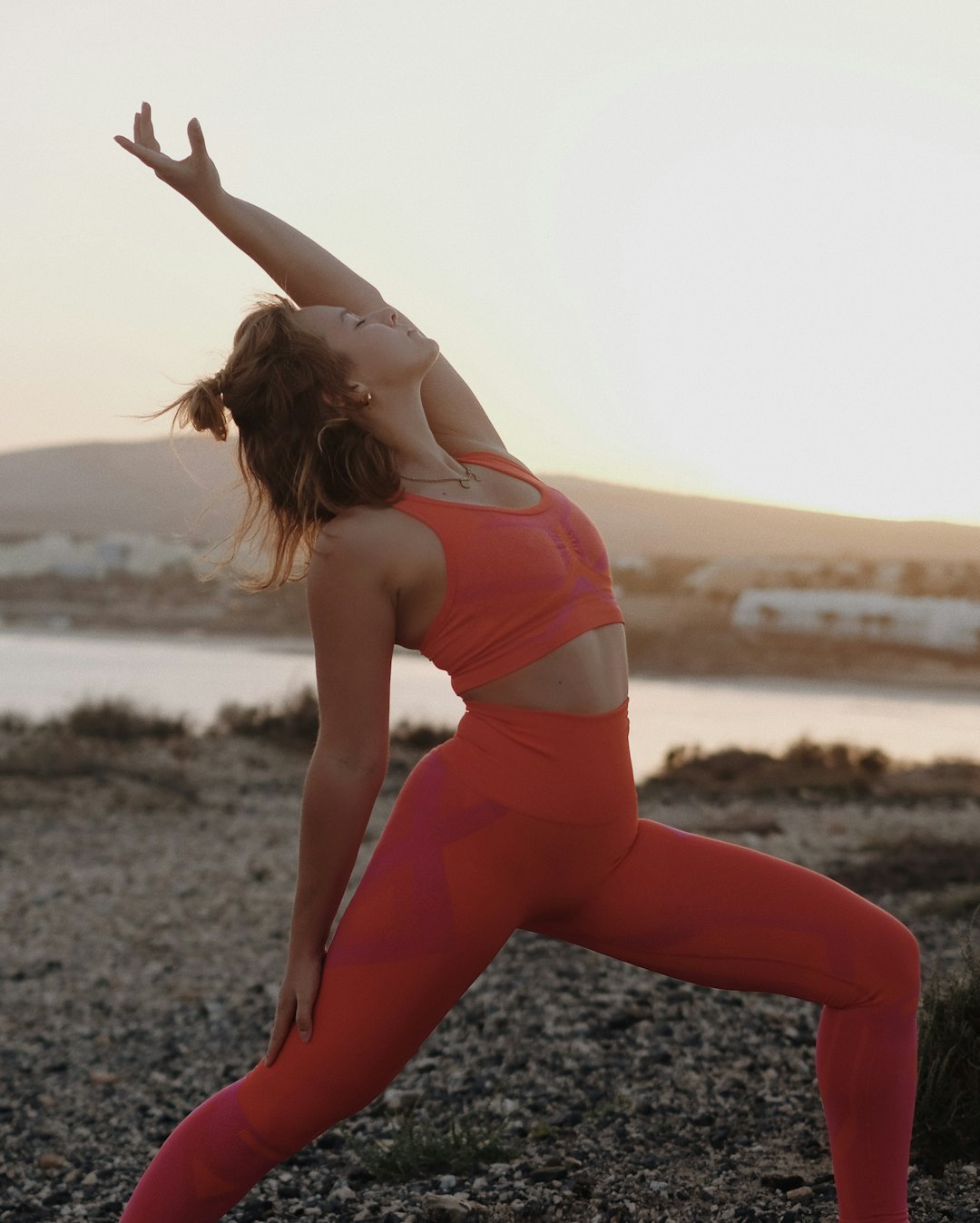
6. Yoga and Tai Chi:
These ancient practices combine physical postures, breathing exercises, and meditation to promote stress relief and overall wellbeing. They help improve flexibility, strength, and balance while reducing stress and anxiety.
-
7. Aromatherapy:
Essential oils such as lavender, chamomile, and bergamot have calming properties that can help reduce stress levels. Try incorporating these scents into your life through diffusers, candles, or even adding a few drops to your bath water.
-
8. Journaling:
Writing about your thoughts and feelings can help you process them and reduce stress. Journaling allows you to express yourself in a safe, non-judgmental space, helping you gain clarity and perspective on your life.
-
9. Social Support:
Connecting with others can help reduce stress by providing emotional support and allowing you to share your feelings and experiences. Reach out to friends, family, or a mental health professional if you’re feeling overwhelmed.
-
10. Limiting Caffeine and Alcohol:
While they may seem like a quick fix for stress, caffeine and alcohol can actually exacerbate stress levels over time. Try reducing your intake of these substances to promote better stress management.
Remember, it’s important to find a balance in your life that works for you. Stress relief is not one-size-fits-all, so experiment with different techniques and find what works best for you. Prioritize self-care and make time for relaxation and stress relief in your daily routine. Your mind and body will thank you!

0 Comments